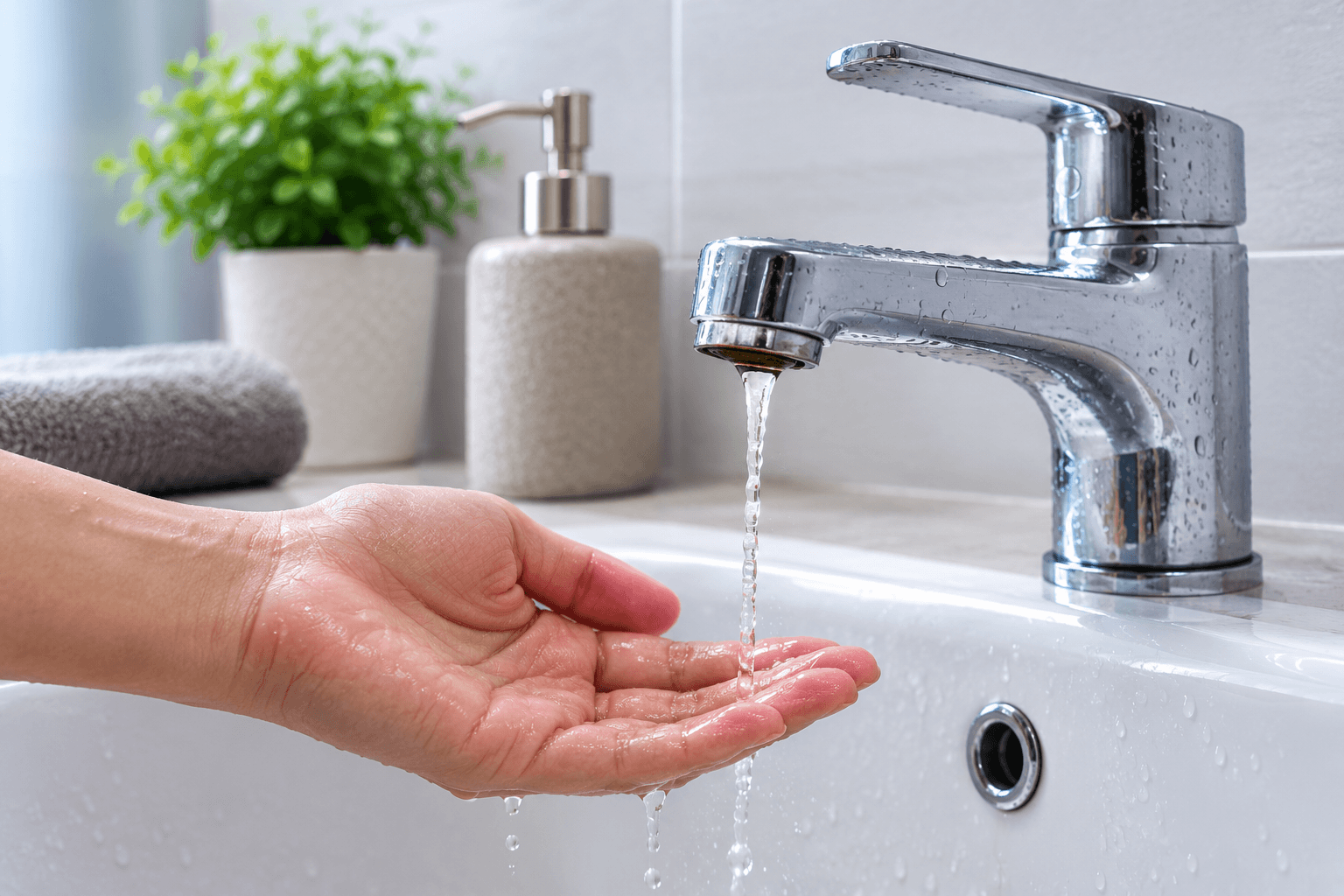
Low water pressure can make everyday tasks frustrating. A shower may take longer, a tap may produce only a weak stream, or appliances that rely on a steady water supply may not work as expected. While the problem can sometimes be caused by a simple fixture issue, it may also indicate a problem somewhere within the plumbing system.
Understanding the possible causes can help homeowners and businesses identify what to check before deciding whether professional assistance is needed.
What Causes Low Water Pressure?
There is no single reason why water pressure suddenly becomes weak. The cause may be located at one fixture, inside the property, or even outside the building.
1. A Partially Closed Shut-Off Valve
One of the first things to check is the main water shut-off valve. If it has been partially closed after previous plumbing work, maintenance, or an emergency, it can restrict the amount of water entering the property.
Check that the valve is fully open if it is safe and accessible to do so. Avoid forcing a valve that is difficult to turn, as an old or damaged valve may require professional attention.
2. Blocked or Dirty Faucet Aerators
A faucet aerator is the small screen attached to the end of many taps. Minerals, dirt, and other particles can accumulate inside it over time and restrict the flow of water.
If only one tap is affected while other fixtures work normally, the aerator may be worth checking. Cleaning or replacing it can sometimes restore normal flow without requiring extensive plumbing work.
3. Mineral Buildup Inside Pipes
Over time, minerals can accumulate inside plumbing pipes, particularly in areas with hard water. As deposits build up, the internal passage becomes narrower, leaving less room for water to flow.
This type of restriction usually develops gradually rather than appearing overnight. If several fixtures throughout the property have become weaker over time, mineral buildup could be one possible explanation.
Plumbing Problems That May Affect Water Flow
When multiple fixtures experience reduced flow, the cause may be more significant than a blocked tap.
4. Leaking or Damaged Pipes
A leak can reduce the amount of water reaching fixtures, especially when the problem occurs within a supply line. Hidden leaks may also be accompanied by damp areas, unusual sounds, higher water bills, or visible water damage.
If these signs appear together with reduced flow, the plumbing system should be inspected rather than relying on a temporary solution.
5. Faulty Pressure Regulator
Some properties use a pressure-reducing valve or regulator to control incoming water pressure. If this component becomes worn or malfunctions, the water supply throughout the property may become weaker.
Because the regulator is part of the plumbing system, diagnosing and adjusting it incorrectly can create additional problems. Professional inspection is recommended when this is suspected.
6. Problems With the Main Water Supply
Sometimes the issue is not inside the property at all. Maintenance work, supply interruptions, infrastructure problems, or changes in the local water system can temporarily affect pressure.
If neighboring properties are experiencing the same problem, the cause may be external. Checking with the local water provider can help determine whether maintenance or a supply issue is occurring.How to Check the Problem
Start With the Affected Fixtures
Turn on several taps and showers to determine whether the issue is isolated or affects the entire property. If only one fixture has weak flow, the problem may be related to that fixture.
If multiple fixtures are affected simultaneously, the cause may involve the main supply, valves, pipes, or another central component.
Pay Attention to Changes Over Time
A sudden drop in pressure can have a different cause from a gradual decline. Note when the problem started and whether it occurs at particular times of the day.
This information can be useful when a professional assesses the plumbing system and helps narrow down the possible source.
When Should You Call a Professional?
Persistent low water pressure should not simply be ignored, particularly when it affects multiple fixtures or is accompanied by leaks, unusual noises, or other plumbing problems.
Avoid attempting to dismantle supply pipes, adjust complicated valves, or make major plumbing repairs without the appropriate knowledge and equipment. An incorrect repair can cause leaks, property damage, or further disruption to the water supply.
If you are experiencing low water pressure or another plumbing problem, it is safer to have the system assessed by a qualified professional who can identify the underlying cause and recommend the appropriate solution. Have a plumbing question that is not covered here? Contact a qualified plumbing professional for practical advice, proper inspection, and professional help with your plumbing needs.