Plumbing systems are easy to overlook when everything appears to be working normally. Taps run, toilets flush, drains clear, and there are no visible leaks. However, problems can develop inside pipes, valves, drains, and fixtures long before they become obvious.
Regular maintenance can help identify these issues earlier, reduce unexpected repairs, and keep a property’s water system working reliably. The right maintenance schedule depends on the age of the plumbing, the type of property, and how heavily the system is used.
How Often Should Plumbing Maintenance Be Done?
There is no universal schedule that applies to every property. As a general approach, a professional plumbing inspection once a year is a sensible starting point for many homes and businesses.
Annual Checks for Residential Properties
For a typical home, an annual inspection can provide an opportunity to look for developing leaks, corrosion, drainage problems, worn fixtures, and other potential concerns.
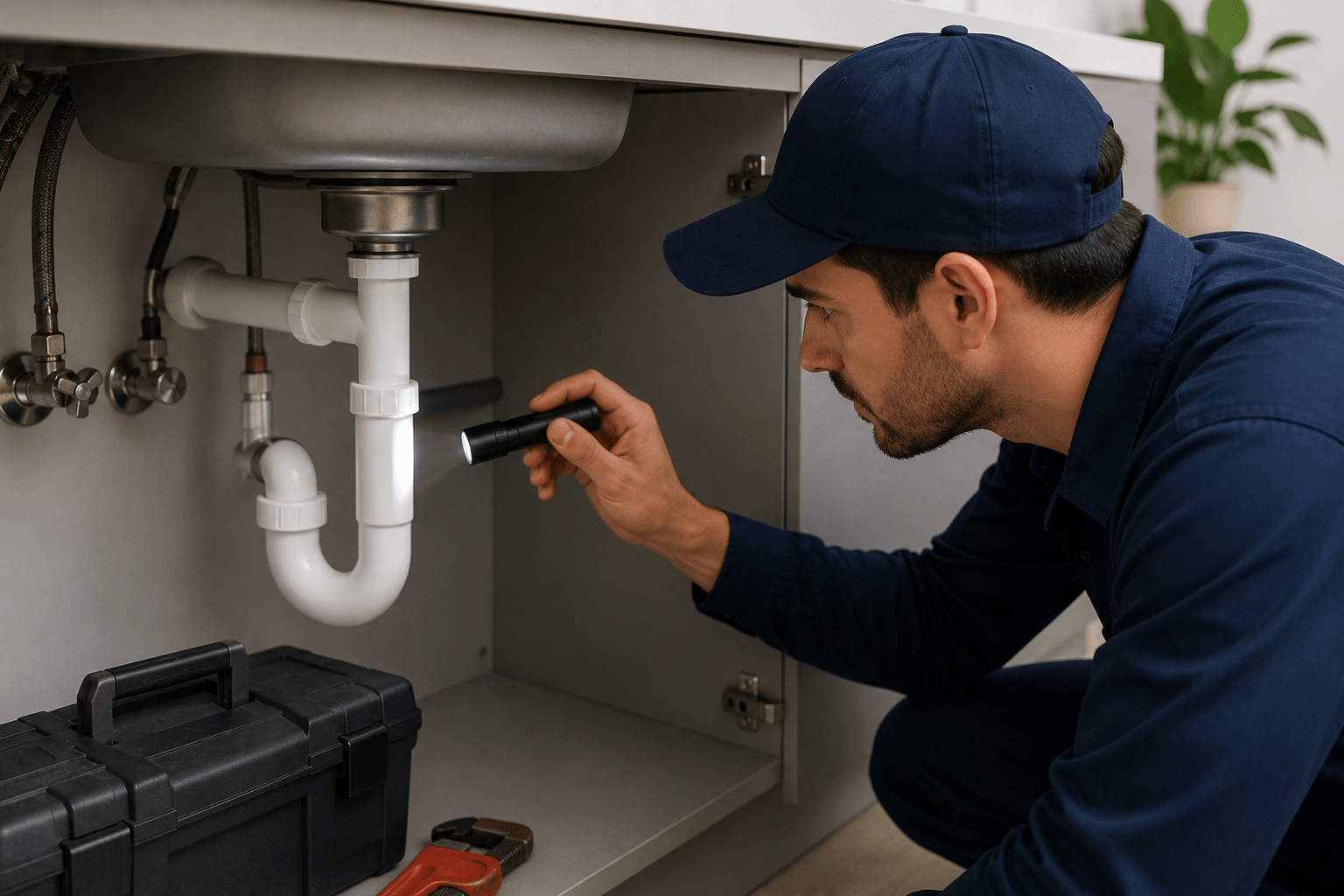
A professional can also check areas that are not always visible during everyday use, including pipe connections, shut-off valves, water heaters, and accessible drainage components.
More Frequent Checks for Older Plumbing
Older plumbing systems may require attention more frequently, especially when pipes or fixtures have already experienced leaks, corrosion, blockages, or repeated repairs.
If a property has a history of plumbing problems, waiting until something fails completely may result in more extensive damage. A professional can recommend a schedule based on the condition and age of the system.
What Should Be Checked During Maintenance?
A maintenance visit should involve more than simply looking for a dripping tap. Different components of the system can develop different types of problems.
Check Pipes and Connections
Visible pipes and accessible connections should be checked for corrosion, moisture, staining, and signs of deterioration. Small leaks around joints can become more serious if they are left unnoticed.
Hidden plumbing should also be considered when there are unexplained damp areas, unusual odors, or changes in water usage.
Inspect Drains and Fixtures
Slow-draining sinks, recurring blockages, unusual odors, and gurgling sounds can indicate developing drainage problems. Taps, toilets, showers, and other fixtures should also be checked for leaks or poor operation.
Addressing these warning signs early can prevent a minor issue from becoming a complete blockage or more complicated repair.
Check Water Pressure
Changes in water pressure can sometimes indicate a plumbing issue. A sudden reduction may be associated with a leak, restricted pipe, faulty valve, or another problem within the system.
Checking pressure as part of routine maintenance can help identify changes before they become disruptive.
Do Businesses Need More Frequent Maintenance?
Commercial properties often require a more structured approach because their plumbing systems may be larger and used much more frequently than those in residential buildings.
High-Use Properties
Restaurants, offices, hotels, retail premises, and other busy facilities may benefit from more frequent inspections. Heavy daily use can place additional demands on toilets, sinks, drains, water heaters, and supply lines.
A maintenance schedule can be adjusted according to the property’s size, number of fixtures, age of the system, and previous repair history.
Signs You Should Not Wait for Scheduled Maintenance
Routine inspections are useful, but they should not replace immediate attention when warning signs appear.
Watch for Early Warning Signs
Contact a plumbing professional if you notice persistent leaks, slow drainage, unusual pipe noises, recurring blockages, sudden changes in water pressure, discolored water, or unexplained increases in water consumption.
These symptoms may indicate an underlying issue that needs to be investigated before it causes more extensive damage.
Why Preventive Maintenance Matters
Waiting for a plumbing component to fail completely can lead to higher repair costs and disruption to the property. Preventive maintenance provides an opportunity to identify worn components and developing problems while they are still manageable.
It can also help property owners plan repairs instead of dealing with unexpected emergencies.
Keep Your Plumbing System in Good Condition
The ideal maintenance frequency depends on the property’s plumbing system, age, usage, and previous problems. For many properties, an annual professional inspection is a practical baseline, while older or heavily used systems may require more frequent attention.
If you notice a plumbing problem, do not try to repair complex components yourself without the right knowledge and equipment. An incorrect repair can cause leaks, damage, or additional problems within the system. Leave the issue to a qualified professional who can inspect the plumbing safely and recommend the appropriate solution. Have a plumbing question that is not covered here? Contact a qualified plumbing professional for practical advice, reliable maintenance, and professional help with your plumbing needs.