
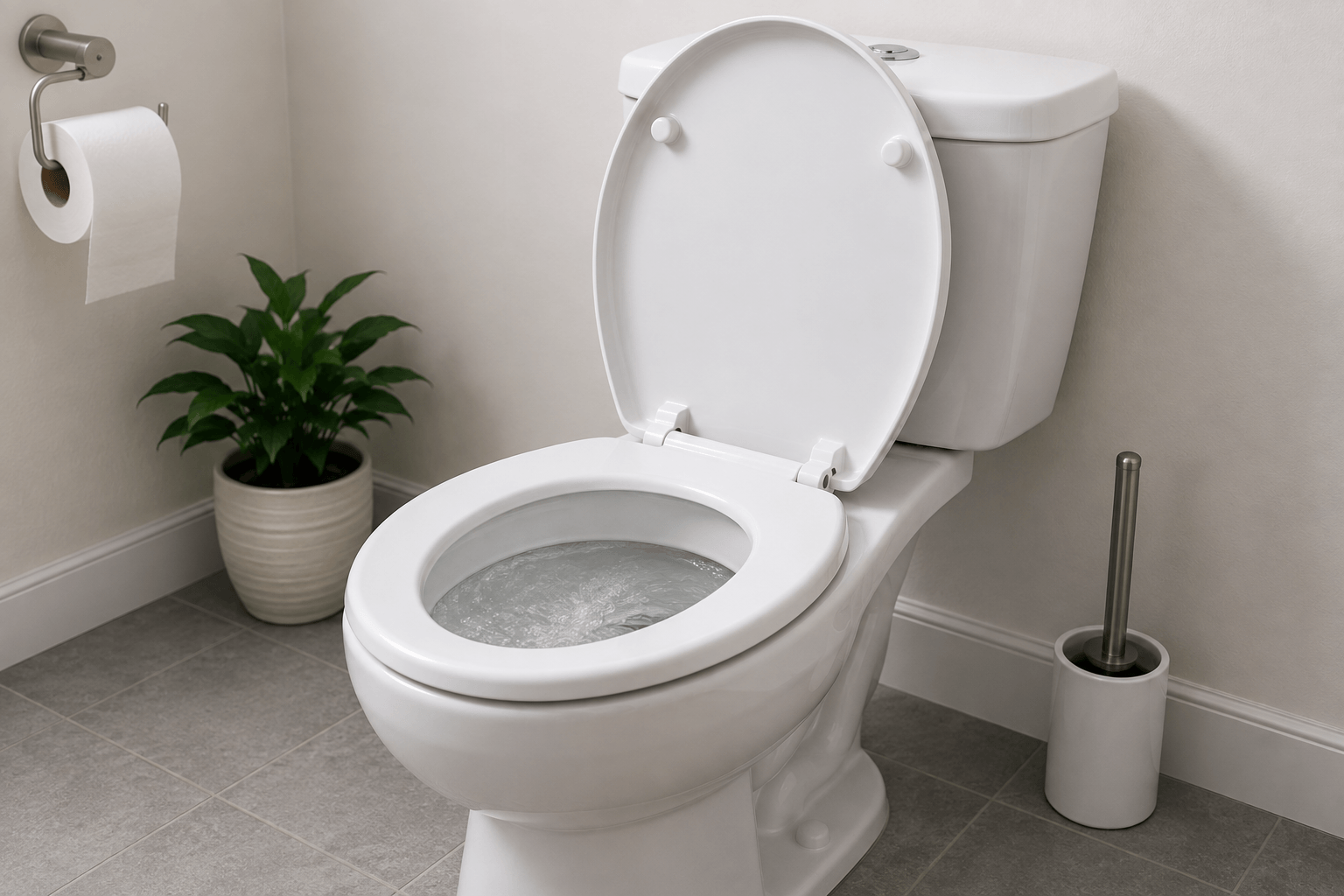
A toilet that repeatedly becomes blocked is more than an everyday inconvenience. If the problem keeps returning even after the blockage has been cleared, there may be an underlying issue that needs attention. Repeated blockages can be caused by unsuitable items being flushed, buildup inside the drain, problems with the toilet itself, or an obstruction further along the plumbing system.
Understanding why the problem happens can help homeowners and businesses respond appropriately and reduce the risk of more serious drainage issues.
Why Does a Toilet Keep Blocking?
There are several possible reasons why a toilet may repeatedly become blocked. Identifying the pattern can provide useful clues about where the problem may be located.
Too Much Toilet Paper
Using excessive amounts of toilet paper at once can make it difficult for water and waste to pass through the toilet trap and drain. This is particularly likely in toilets with weaker flushing performance or older plumbing.
Reducing the amount used at one time and flushing appropriately can help prevent unnecessary strain on the drainage system.
Non-Flushable Items
Toilets are designed primarily for human waste and toilet paper. Wipes, paper towels, sanitary products, cotton products, tissues, and other household items can cause significant obstructions when flushed.
Even products labeled as flushable may not break down as quickly as standard toilet paper. Keeping a waste bin nearby can help prevent unsuitable materials from entering the plumbing.
Problems That May Be Further Down the Drain
Sometimes the toilet is not the actual source of the problem. A recurring blockage may indicate an obstruction somewhere beyond the fixture.
A Blocked Drain Line
A partial blockage in the main drainage line can allow the toilet to work normally for a while before becoming blocked again. As more waste passes through the restricted section, the problem may return.
If other fixtures begin draining slowly or wastewater backs up when the toilet is flushed, the issue may involve a larger section of the drainage system.
Tree Roots or Pipe Damage
In some properties, underground pipes can be affected by tree roots, ground movement, corrosion, or physical damage. Roots can enter small cracks or joints and gradually restrict the passage inside a drainage pipe.
This type of problem is unlikely to be resolved by repeatedly clearing the toilet itself. A professional inspection may be needed to determine what is happening inside the pipe.
What Can You Check First?
Pay Attention to Other Fixtures
Check whether sinks, showers, bathtubs, or other toilets are also experiencing drainage problems. A single affected toilet may have a localized issue, while several affected fixtures can point to a larger drainage problem.
Think About When the Problem Occurs
Notice whether the blockage happens immediately after flushing, only occasionally, or after several days of normal use. Information about when and how frequently the problem occurs can help identify potential causes.
Avoid repeatedly flushing a toilet that is already close to overflowing. Additional flushing may push more water into the bowl and create unnecessary water damage.
When Should You Call a Professional?
A toilet that keeps blocking should be professionally assessed when basic clearing methods provide only temporary relief. Recurring problems can indicate that the obstruction has not been completely removed or that another issue exists within the drainage system.
Professional equipment can help locate deeper blockages and determine whether the problem is related to the toilet, drain line, or another part of the plumbing system.
Do Not Ignore Repeated Problems
Continuing to use a toilet that frequently blocks can eventually lead to wastewater overflowing onto floors and surrounding surfaces. Besides causing property damage, this can create an unpleasant and unhygienic environment.
Addressing the underlying cause is generally more effective than repeatedly treating each blockage as an isolated incident.
Keep Recurring Toilet Problems Under Control
A repeatedly blocked toilet should not be considered normal. Avoid flushing inappropriate materials, pay attention to changes affecting other drains, and take recurring problems seriously.
If your toilet keeps blocking, do not attempt complicated repairs, dismantle pipes, or use aggressive chemicals without the proper knowledge and equipment. An incorrect approach can damage the toilet or drainage system and potentially make the problem worse. Leave the issue to a qualified plumbing professional who can identify the cause and provide the appropriate solution. Have a plumbing question that is not covered here? Contact a qualified plumbing professional for practical advice, proper inspection, and professional help with your plumbing needs.