
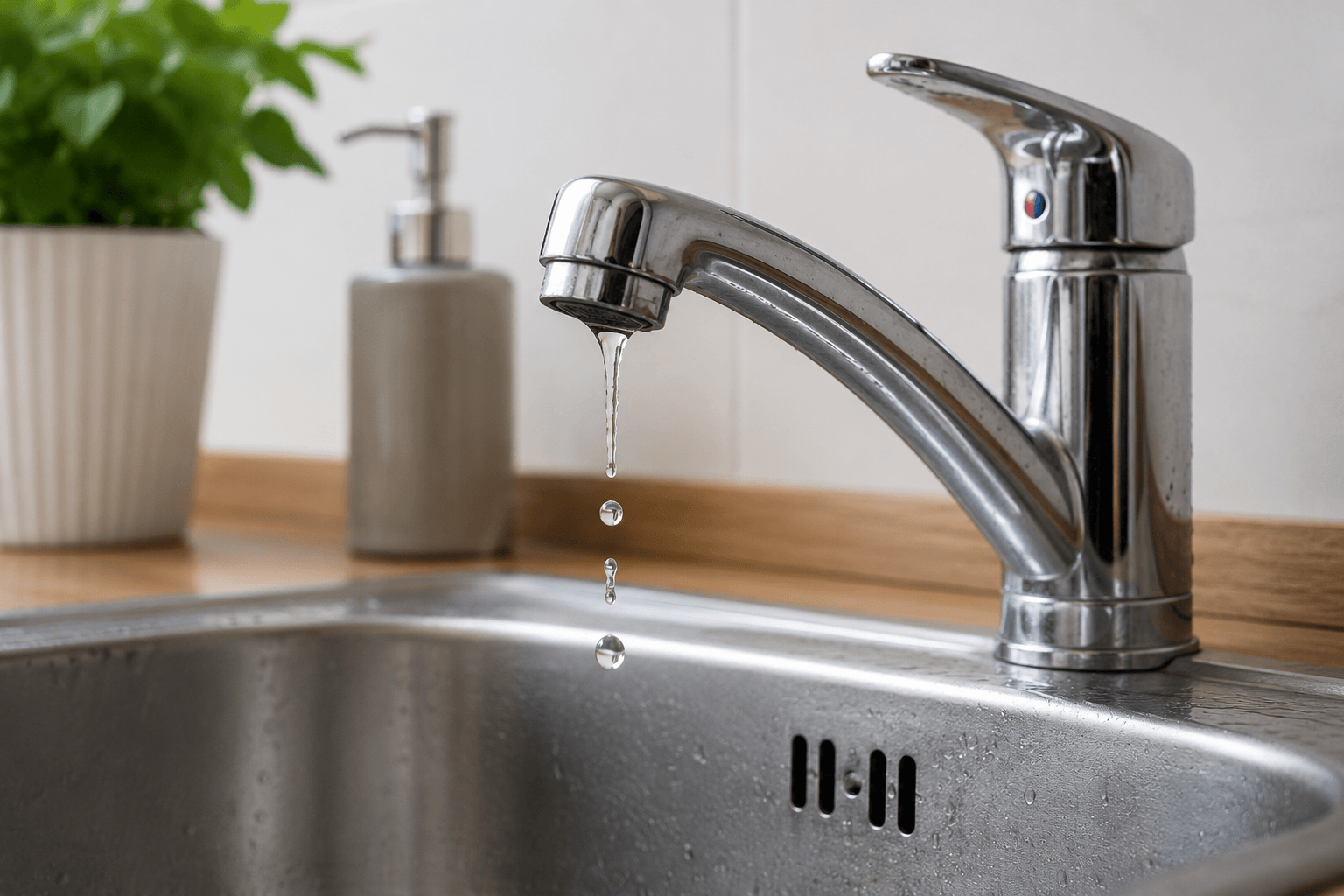
A leaking tap may seem like a small plumbing issue, especially when it is only producing a few drops at a time. However, a persistent leak can waste water, increase utility costs, and indicate that an internal component of the tap is no longer working properly.
In some cases, replacing a worn component may be enough to solve the problem. In others, replacing the entire tap is the more practical option. Knowing the difference can help you avoid unnecessary repairs and prevent a minor leak from becoming a bigger plumbing concern.
1. The Tap Continues to Leak After Repair
If a tap continues dripping after its internal components have been repaired or replaced, the fixture itself may be worn or damaged. Repeated repairs can become inconvenient and may cost more over time than installing a new tap.
A professional inspection can help determine whether another repair is worthwhile or whether replacement makes more sense.
2. There Is Visible Corrosion or Damage
Look closely at the tap, handles, connections, and surrounding areas. Corrosion, cracks, severe discoloration, or damaged threads can indicate that the fixture has reached the end of its useful life.
Surface marks alone do not always mean replacement is necessary, but significant corrosion can affect the tap’s reliability and make future repairs more difficult.
3. Water Is Leaking From the Base
A leak around the base of a tap can be caused by worn seals or other internal components. Sometimes these parts can be replaced without changing the entire fixture.
However, if the tap body itself is damaged or the leak continues after servicing, replacing the fixture may be the better long-term solution.
4. The Tap Has Become Difficult to Operate
A handle that is increasingly difficult to turn, loose, stiff, or inconsistent may indicate worn internal components or mineral buildup. If the tap no longer operates smoothly, it may be time to have it inspected.
For older fixtures, replacing the entire tap can sometimes provide a more reliable result than repeatedly repairing individual parts.
5. The Tap Is Old and Frequently Needs Repairs
Age alone does not necessarily mean a tap needs to be replaced. However, an older fixture that frequently develops leaks or requires replacement parts may no longer be cost-effective to maintain.
If several components are worn at the same time, installing a new tap may reduce the likelihood of recurring problems.
6. Water Is Being Wasted
Even a small drip can add up when it continues throughout the day and night. A leaking tap may therefore waste more water than you might expect.
If the leak cannot be stopped with a straightforward repair, replacing the fixture can help prevent ongoing water waste and unnecessary increases in your water bill.
7. You Want Better Efficiency or Functionality
Replacement is not always about fixing a broken tap. Newer fixtures may offer improved water efficiency, easier operation, better durability, or features that suit the way the space is used.
For kitchens, bathrooms, offices, and commercial properties, choosing a suitable replacement can improve both everyday convenience and water management.
Repair or Replace: Which Is Better?
The right choice depends on the condition of the tap and the cause of the leak. A worn washer, cartridge, O-ring, or seal may be relatively simple to replace. On the other hand, extensive corrosion, cracks, repeated failures, or a damaged tap body may justify replacing the entire fixture.
It is also important to consider the age and condition of the surrounding plumbing. Installing a new tap will not solve a separate problem with the connecting pipes or fittings.
Do Not Ignore a Persistent Leak
A leaking tap is easy to put off because the amount of water may appear insignificant. However, persistent leaks can waste water and may eventually contribute to moisture damage around the fixture, particularly when water is leaking underneath a sink or into surrounding cabinetry.
If your tap continues to leak, do not rely on temporary fixes or attempt a complicated repair without the appropriate tools and knowledge. An incorrect repair can damage the fixture, fittings, or surrounding plumbing. It is safer to have the problem assessed by a qualified plumbing professional who can determine whether the tap should be repaired or replaced.
Have a plumbing question that is not covered here? Contact a qualified plumbing professional for practical advice and professional help with your plumbing needs.