Blocked drains are one of the most common plumbing problems in a home. They can start with something as simple as a small amount of food, hair, grease, or soap entering the drain and gradually developing into a serious obstruction. Fortunately, many drain blockages can be reduced or prevented with a few simple habits.
Taking care of your drains regularly not only helps water flow properly but can also reduce unpleasant odors, overflowing fixtures, and unexpected plumbing problems. Here are some practical ways to help how to prevent blocked drains in your home.
1. Keep Food Scraps Out of the Sink
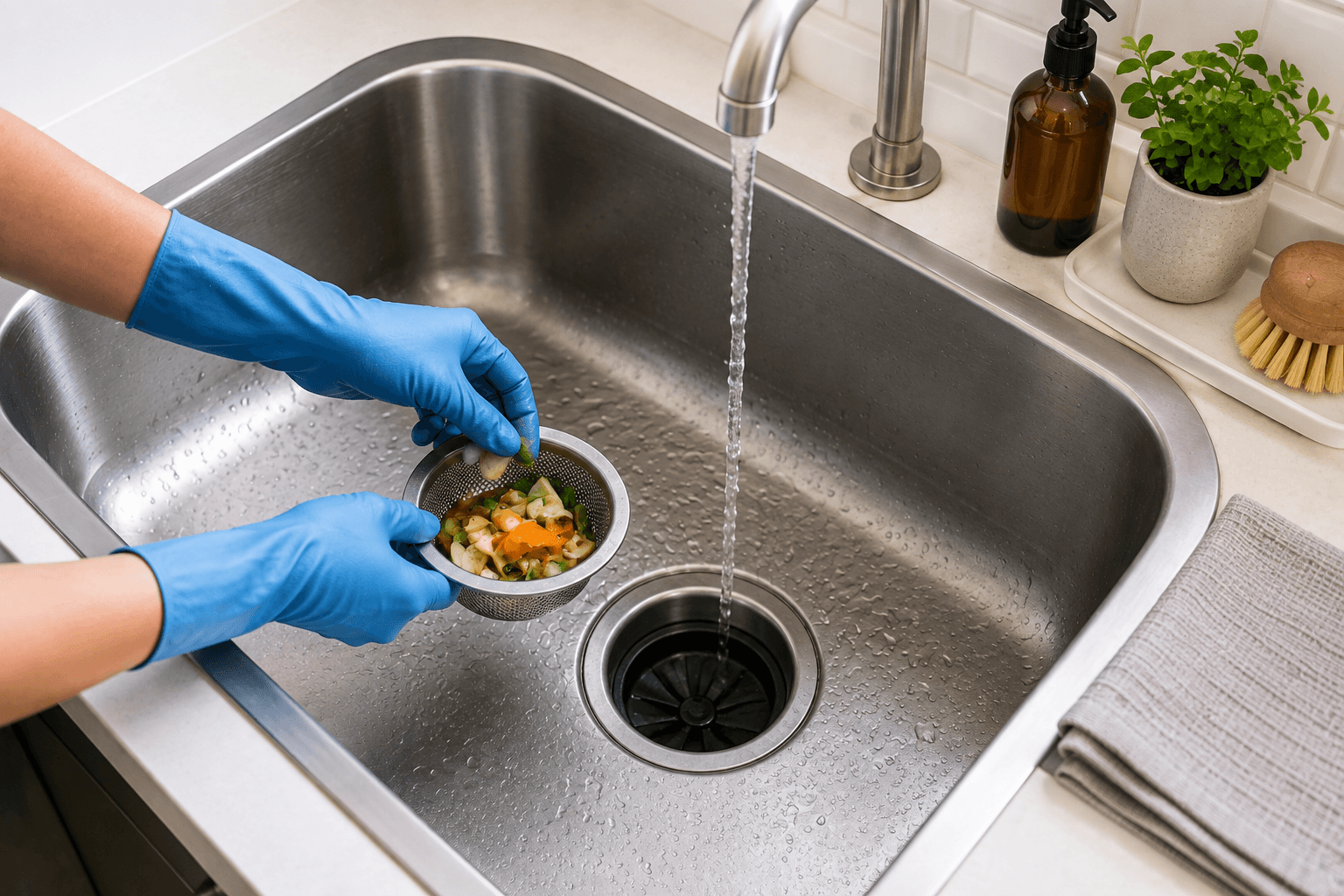
Kitchen sinks can quickly become blocked when food particles are regularly washed down the drain. Even small pieces can collect inside the pipes and combine with grease or other debris.
Use a sink strainer to catch food scraps before they enter the drain. Scrape plates into the trash or compost before washing them, rather than relying on the sink to handle solid waste.
2. Never Pour Grease or Oil Down the Drain
Cooking grease and oil may be liquid when warm, but they can cool and stick to the inside of your plumbing. Over time, this buildup can narrow the passage and trap other debris.
Instead of pouring leftover grease into the sink, allow it to cool and dispose of it appropriately.
3. Use a Hair Catcher in Bathroom Drains
Hair is a common cause of bathroom drain blockages. It can combine with soap residue and form a dense mass inside the drain.
Installing a simple drain cover or hair catcher can prevent much of this material from entering the plumbing. Clean the catcher regularly so the collected hair does not eventually wash into the drain.
4. Be Careful About What You Flush
Toilets are designed to handle human waste and toilet paper. Flushing items such as wipes, paper towels, cotton products, sanitary products, or other non-flushable materials can increase the risk of blockages.
Even products marketed as flushable may not break down as easily as standard toilet paper, so following local wastewater guidance and manufacturer instructions is important.
5. Clean Drains Regularly
Regular maintenance can help remove small amounts of buildup before they develop into larger obstructions. Remove visible debris from drain covers and keep accessible components clean.
For sinks, regularly cleaning the stopper and surrounding drain area can also help prevent hair, soap residue, and other materials from accumulating.
6. Pay Attention to Slow Drainage
A drain that is becoming slower should not be ignored. Slow drainage can be an early indication that debris is accumulating somewhere in the plumbing.
Addressing the problem while water is still flowing normally can be easier than waiting until the drain becomes completely blocked. If several fixtures begin draining slowly at the same time, there may be a larger issue within the property’s drainage system.
7. Avoid Excessive Use of Chemical Drain Cleaners
Chemical drain cleaners may seem like a convenient solution, but they are not always appropriate for every plumbing system or type of blockage. Repeated or incorrect use can potentially damage plumbing components and does not necessarily remove the underlying cause.
If a drain repeatedly becomes blocked, identifying why the blockage keeps returning is more useful than simply treating the symptoms.
8. Watch for Unusual Drain Odors
Unpleasant smells coming from a drain can indicate a buildup of food, grease, organic material, or other debris. While an odor does not always mean that a blockage is present, it can be a useful warning that the drain needs attention.
Taking action early may help prevent the buildup from developing into a more significant drainage problem.
When Should You Call a Professional?
Basic prevention can go a long way, but some blockages require professional attention. If water stops draining, multiple fixtures are affected, wastewater backs up, or the same drain keeps becoming blocked, the problem may be deeper within the plumbing system.
A professional can inspect the drainage system, identify the source of the obstruction, and determine the most appropriate way to clear it without unnecessarily damaging the pipes.
Keep Your Drains Flowing Properly
Preventing blocked drains is mostly about avoiding the wrong materials and paying attention to early warning signs. Simple habits such as using strainers, keeping grease out of the sink, and cleaning drains regularly can help maintain a healthier plumbing system.
If you experience recurring blockages or drainage problems, do not try to force a complicated repair yourself. Attempting to dismantle pipes or use aggressive cleaning methods without the proper knowledge can make the situation worse. Leave the problem to a qualified plumbing professional who can safely inspect and resolve the issue.
Have a plumbing question that is not covered here? Contact a qualified plumbing professional for practical advice and professional help with your home’s plumbing needs.