Cold weather can put significant stress on plumbing systems, particularly when temperatures remain low for an extended period. Water expands when it freezes, creating pressure inside pipes that can eventually cause them to crack or burst. When the temperature rises and the frozen water begins to thaw, the resulting leak can cause serious damage to walls, ceilings, floors, and belongings.
Fortunately, homeowners and businesses can take several practical steps to reduce the risk of frozen and burst pipes before cold weather arrives.
Why Do Pipes Freeze?
Understanding why freezing occurs can help you identify vulnerable areas around a property. Pipes located in unheated spaces are generally more exposed to cold temperatures than those inside properly heated areas.
Unheated Areas Can Be Vulnerable
Pipes running through garages, basements, crawl spaces, exterior walls, lofts, or other poorly insulated areas may be particularly susceptible to freezing. Even a short period of very low temperatures can affect water inside these lines.
Gaps around doors, windows, or other openings can also allow cold air to reach plumbing components.
Poor Insulation Increases the Risk
Insufficient insulation allows pipes to lose heat more quickly. Older properties may have plumbing that was not adequately protected against extreme cold, making certain sections more vulnerable during winter conditions.
How To Protect Your Plumbing
Preparing before temperatures drop is one of the most effective ways to reduce potential problems.
Insulate Exposed Pipes
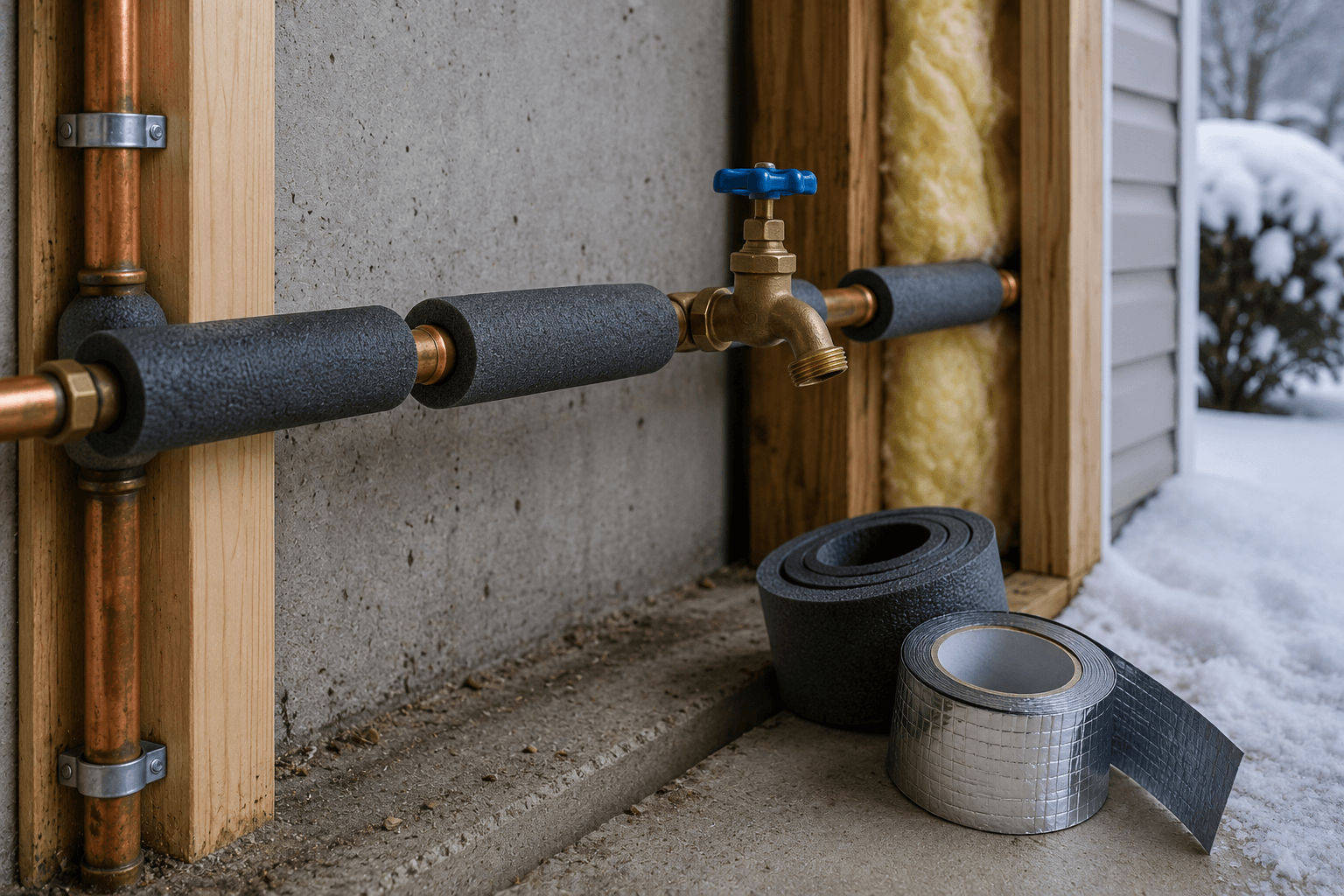
Pipe insulation can help slow down heat loss from vulnerable sections of the plumbing system. Pay particular attention to pipes located in unheated areas or close to exterior walls.
Insulation should be installed correctly and should not be treated as a replacement for proper heating where heating is required.
Keep Cold Air Out
Check areas where cold air may enter the property. Doors, windows, vents, and gaps around openings can allow freezing air to reach nearby pipes.
Keeping these areas properly sealed can help maintain a more stable temperature around plumbing components.
Maintain Indoor Heat
During periods of very cold weather, maintaining consistent indoor temperatures can help protect water lines. If a property will be unoccupied, avoid turning the heating off completely when freezing conditions are expected.
It is also useful to make sure rooms containing plumbing receive adequate heat, rather than closing them off from the rest of the property.
What To Do During Freezing Weather
Allow Some Faucets To Drip
In certain circumstances, allowing a small amount of water to flow through vulnerable lines can help reduce pressure within the plumbing system. This approach may be useful during particularly cold conditions, but it should not be relied upon as the only form of protection.
A professional can provide advice based on the property’s plumbing configuration and local conditions.
Open Cabinet Doors
For sinks located against exterior walls, opening cabinet doors can allow warmer indoor air to circulate around the plumbing. This may provide additional protection during periods of extreme cold.
Be careful to keep household chemicals and other potentially hazardous items away from children and pets when cabinets are left open.
What If a Pipe Freezes?
If you suspect that a pipe has frozen, do not use an open flame, torch, or other high-heat source to thaw it. Rapid or uneven heating can damage the pipe and create a dangerous situation.
Watch for Signs of Damage
Reduced water flow, unusual noises, frost on exposed pipes, or damp areas can indicate a freezing problem. Once temperatures rise, a damaged section may begin leaking as the ice melts.
If you discover a leak, shut off the main water supply if it is safe to do so and arrange professional assistance.
Prepare Before Cold Weather Arrives
Preventing frozen and burst pipes is largely about preparation. Insulating vulnerable plumbing, maintaining suitable indoor temperatures, reducing cold-air exposure, and paying attention to early warning signs can help protect a property’s water system.
If you experience frozen or burst pipes, do not attempt complicated repairs or use unsafe methods to thaw the plumbing yourself. Incorrect repairs can cause further damage, while improper heating techniques may create serious safety risks. Leave the problem to a qualified plumbing professional who can assess the system and carry out the necessary work safely. Have a plumbing question that is not covered here? Contact a qualified plumbing professional for practical advice and professional help in protecting your plumbing system.